Fitment confidence
Application data and cross-reference notes are kept close to the inquiry so teams can avoid vague category assumptions.
About Schaeffler
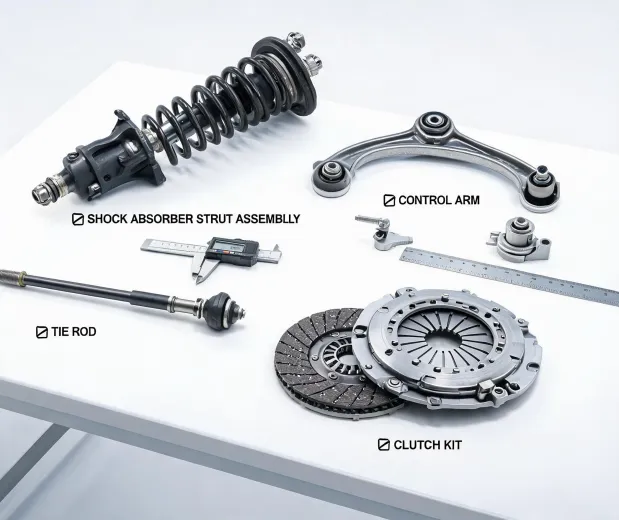
Schaeffler presents its aftermarket work through a standards-led lens: part coverage must be understandable, revision paths must be traceable, and support should help buyers explain a decision inside their own organizations. For Suspension & Steering Parts and Driveline & Clutch Parts, the buying question is rarely just whether a component exists. Teams need to know what application it serves, how it relates to adjacent assemblies, what documentation can support the purchase, and whether the category fit is clear enough for a catalog, repair program, or sourcing file.
Vision roadmap
Application data and cross-reference notes are kept close to the inquiry so teams can avoid vague category assumptions.
Revision control, supersession awareness, and engineering change notes support buyers managing long-life vehicle coverage.
Structured evidence helps e-commerce catalogs, distributors, and service networks coordinate part information across systems.
The Schaeffler approach favors documented clarity over broad claims. That matters in automotive replacement work because every ambiguous label can create downstream friction: a warehouse may stock the wrong family, a service desk may quote a part without confirming the platform, or a catalog manager may publish a listing that lacks enough fitment context. The company position expressed in this site is therefore narrow and useful. It centers on technical fitment documentation, engineering change control, and durability evidence for critical ranges. Those strengths match buyers who do not want decoration around the decision. They want the part family, the application signal, the support trail, and a path to a quote.
Milestones
Technical fitment documentation can be requested when a buyer needs to validate platform coverage or assembly boundaries.
Revision traceability helps teams recognize when a sourcing option has been updated, replaced, or clarified.
Salt-spray, dyno, and endurance references can support decisions where durability evidence affects risk.
Applicable CARB, EPA, and ISO context is treated as part of the documentation review rather than a loose badge.
Use the Schaeffler inquiry path when a purchase order depends on fitment, revision, or application evidence.